Introduction
In Australia, obtaining a CPR certification is a necessary step in the direction of coming to be a qualified lifesaver. Whether you are looking to seek a job in healthcare, child care, or merely want to be planned for emergency situations, CPR accreditation furnishes you with the understanding and skills required to conserve lives. In this post, we will explore the process of acquiring CPR certification in Australia, the benefits it provides, and just how it can make a considerable difference in emergency situation situations.
CPR Certification: Coming To Be a Qualified Lifesaver in Australia
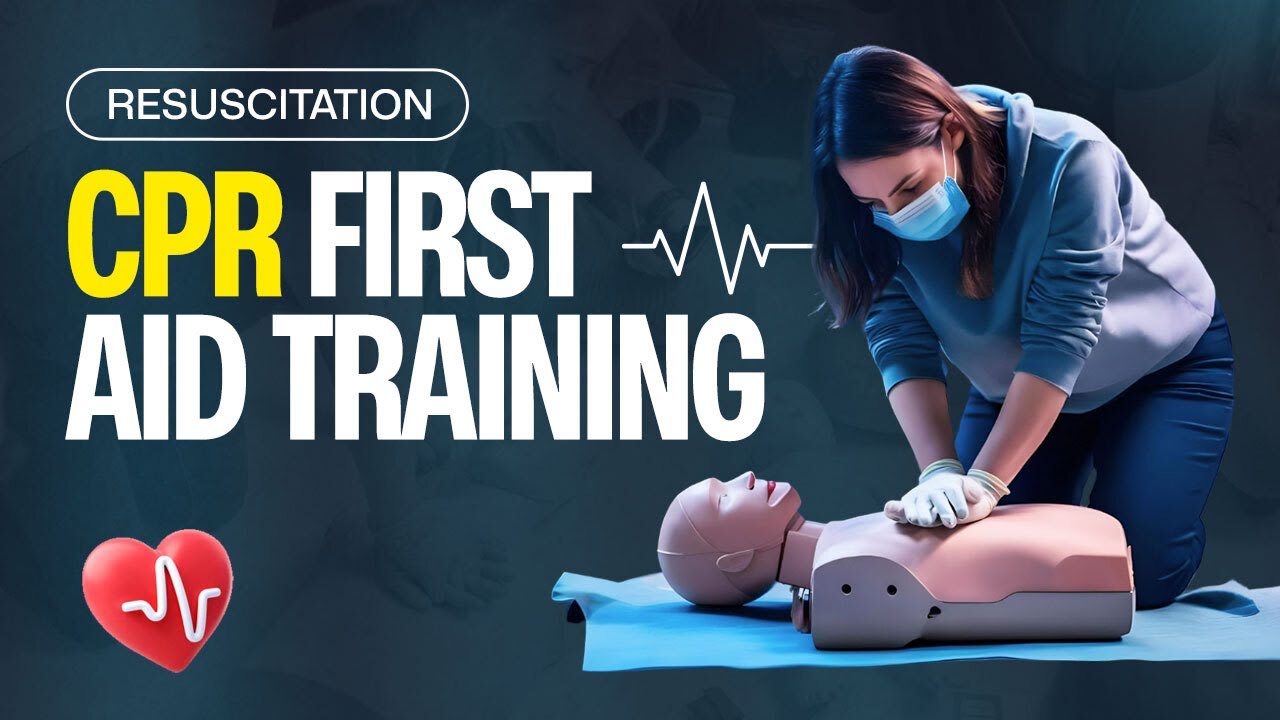
CPR (Cardiopulmonary Resuscitation) is a life-saving method made use of when a person's heart stops defeating or they quit breathing. It entails doing breast compressions and rescue breaths to keep blood flow and oxygen supply to essential body organs up until professional clinical aid arrives. CPR certification makes sure that individuals are trained in these techniques and can successfully provide them in emergency situations.
Why is CPR Qualification Important?
Increased Opportunities of Survival: When done without delay and properly, CPR can considerably raise the chances of survival for people experiencing cardiac arrest or breathing failure.
Confidence in Emergency Circumstances: Having CPR certification provides individuals the confidence and skills needed to take instant action during emergency situations, potentially conserving lives while awaiting medical professionals to arrive.
Requirement for Certain Occupations: Numerous professions require workers to have CPR certification, particularly those operating in health care, childcare, education and learning, and fitness markets. Obtaining qualification opens even more job opportunities and demonstrates your dedication to safety and security and well-being.
Empowerment: Recognizing that you possess the capability to make a difference throughout defining moments empowers people both personally and professionally.
How to Obtain CPR Certification in Australia
Research Accredited Training Providers: Begin by investigating certified training companies that supply acknowledged CPR programs in Australia. Try to find suppliers that comply with standards set by companies like the Australian Resuscitation Council (ARC) and give detailed training.
Choose the Right Program: Depending on your demands, select a CPR program that aligns with your career objectives or individual passions. Popular programs include Basic Life Support (BLS), Advanced Heart Life Support (ACLS), and Pediatric Advanced Life Support (CHUMS).

Enroll in a Course: Once you have actually identified a suitable training service provider and training course, enroll in the program. Many providers use both on the internet and in-person options, allowing versatility to accommodate different timetables and learning preferences.
Attend Training Procedure: Go to the training sessions as arranged by the carrier. These sessions usually entail a mix of theoretical understanding, practical demos, and hands-on method to guarantee proficiency in CPR techniques.
Assessment and Certification: After completing the training sessions, you will certainly undergo an evaluation to demonstrate your understanding and effectiveness in CPR strategies. Upon effective completion, you will receive your CPR qualification, legitimate for a defined period (usually 1-2 years).
Brisbane Emergency Treatment Courses: Enhancing Lifesaving Skills
Brisbane uses first aid and cpr course near me various first aid training courses that incorporate CPR accreditation as a vital component. These programs are created to furnish people with the needed abilities to respond successfully in emergency situation situations. Some prominent first aid programs in Brisbane consist of:
Childcare Emergency Treatment Course: This course focuses on offering emergency treatment particularly tailored for childcare settings, training individuals exactly how to respond to usual youth emergencies.
First Help and CPR Training course: A thorough program that covers essential first aid skills in addition to CPR accreditation, suitable for people looking for a general overview of emergency response procedures.
First Help and CPR Courses near Me: Created for people who prefer attending courses more detailed to their place, these programs provide ease while ensuring top quality training.
First Aid Courses Online: Online first aid courses supply flexibility for those with busy routines or minimal accessibility to physical training centers. These training courses allow individuals to learn at their own rate while still obtaining the necessary certification.
CPR Qualification: Increasing Expertise and Skills
CPR certification not just furnishes individuals with life-saving abilities yet also increases their knowledge in firstaid certificate relevant locations. Some key elements covered during CPR training include:
First Help Techniques: Alongside CPR, participants find out different first aid techniques such as bandaging, injury care, splinting, and handling clinical emergency situations like seizures or allergic reactions.
AED (Automated External Defibrillator) Usage: CPR training typically consists of instruction on exactly how to make use of an AED, a tool that supplies an electrical shock to recover a regular heart rhythm during heart arrest.
Rescue Breathing: Individuals discover exactly how to properly carry out rescue breaths to individuals that are unresponsive or otherwise taking a breath normally.
Choking Monitoring: CPR training includes strategies for handling choking emergencies in both adults and infants, making certain people can respond without delay and effectively.
FAQ
Q: How much time does CPR accreditation last?
A: The credibility of CPR qualification differs depending on the training provider and training course. Normally, accreditations stand for 1-2 years prior to requiring renewal.
Q: Can I perform CPR without certification?
A: While anybody can try to do CPR in an emergency situation, getting correct accreditation makes sure that you have actually received the required training and are geared up with one of the most updated techniques.
Q: Exist age restrictions for CPR certification?
A: In Australia, there are no details age constraints for obtaining CPR certification. Nevertheless, some programs might have recommended minimum ages because of physical needs or material suitability.
Q: Can I renew my CPR accreditation online?
A: Yes, numerous certified training companies supply on the internet revival programs for people seeking to refresh their CPR skills and restore their certification from the comfort of their very own homes.
Q: Is it required to upgrade my CPR certification regularly?
A: Yes, it is very important to upgrade your CPR accreditation routinely to stay first aid course online updated on the current techniques and guidelines. Regular renewal makes certain that you maintain efficiency in life-saving skills.
Q: Can I utilize my CPR certification internationally?
A: While CPR accreditations obtained in Australia are recognized internationally, it is recommended to check the certain needs and guidelines of the nation you intend to check out or work in.
Conclusion
Obtaining CPR accreditation is a critical step in the direction of becoming a licensed lifesaver in Australia. It equips people with the expertise, skills, and confidence required to respond effectively during emergency situations. Whether you choose to seek an occupation in health care or simply want to be gotten ready for unexpected scenarios, CPR certification provides many advantages. By enrolling in accredited training courses and remaining upgraded on the most up to date methods, you can make a substantial distinction and potentially save lives as a licensed lifesaver. So take the primary step today and come to be a qualified CPR lifesaver!